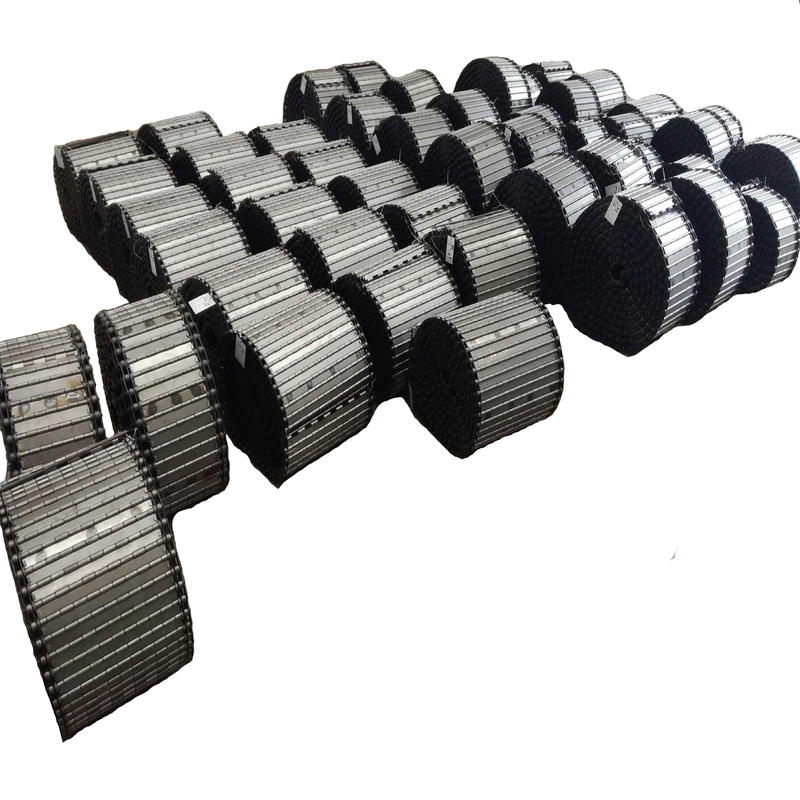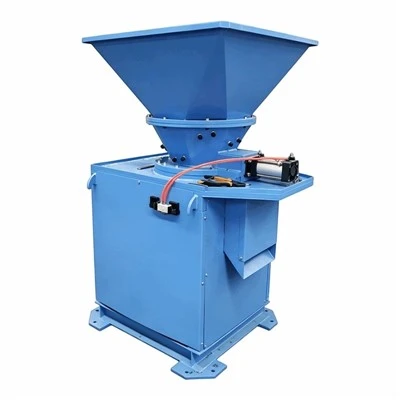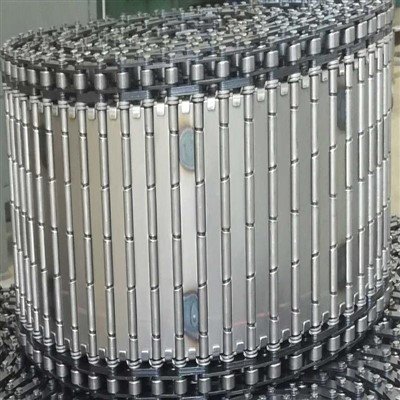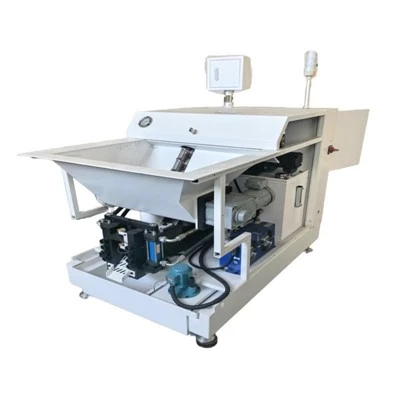


Conveyor belt systems are widely used in manufacturing, logistics, mining, metallurgy, food processing, recycling, and other industries. They provide continuous material movement between different areas of a production facility, reducing manual handling and supporting a more efficient workflow. Proper operating procedures are essential for maintaining stable performance and reducing unnecessary equipment wear.
Before starting the conveyor, operators should carry out a complete pre-operation inspection. The belt should be checked for visible cracks, damage, excessive wear, or foreign objects. Rollers, pulleys, support structures, tensioning devices, and drive components should also be inspected to ensure that they are in proper condition. The surrounding area should be clear of objects that could interfere with operation, while the electrical control system and safety devices should be verified before startup.
Once the inspection is complete, the conveyor can be started according to the equipment's operating requirements. During startup, operators should observe whether the belt moves smoothly and watch for misalignment, slipping, unusual noise, or excessive vibration. If abnormal movement or unexpected operating conditions are detected, the conveyor should be stopped and inspected before continuing operation.
After the conveyor reaches normal operating conditions, the feed rate and material load should be controlled according to the machine's rated capacity. Materials should be distributed as evenly as possible across the center of the belt rather than being concentrated on one side. Oversized or sharp materials should be prepared according to the equipment requirements to reduce the risk of belt damage.
During continuous operation, operators should monitor the overall condition of the system. In addition to observing belt movement, attention should be given to the condition of rollers, pulleys, and drive components. Unusual temperature increases, changes in operating noise, or a noticeable reduction in conveying performance may indicate a developing problem and should be investigated promptly.
When the conveying task is complete, the material feed should normally be stopped before the conveyor itself is shut down. This helps prevent unnecessary material from remaining on the belt. After the system has come to a complete stop, operators can remove residual material from the belt and surrounding areas and inspect components such as tensioning devices, pulleys, and rollers as required.
Routine operation should also include maintaining basic equipment records. Abnormal conditions, maintenance activities, and component replacements can be documented to support future inspections and preventive maintenance. Conveyor systems used for extended periods should receive regular checks, with worn or damaged components adjusted or replaced when necessary.
Overall, proper conveyor belt operation involves pre-start inspection, controlled startup, even material feeding, continuous condition monitoring, and orderly shutdown. Combining standardized operating procedures with regular maintenance can help reduce unexpected problems, control component wear, and provide dependable support for automated production and continuous material handling.