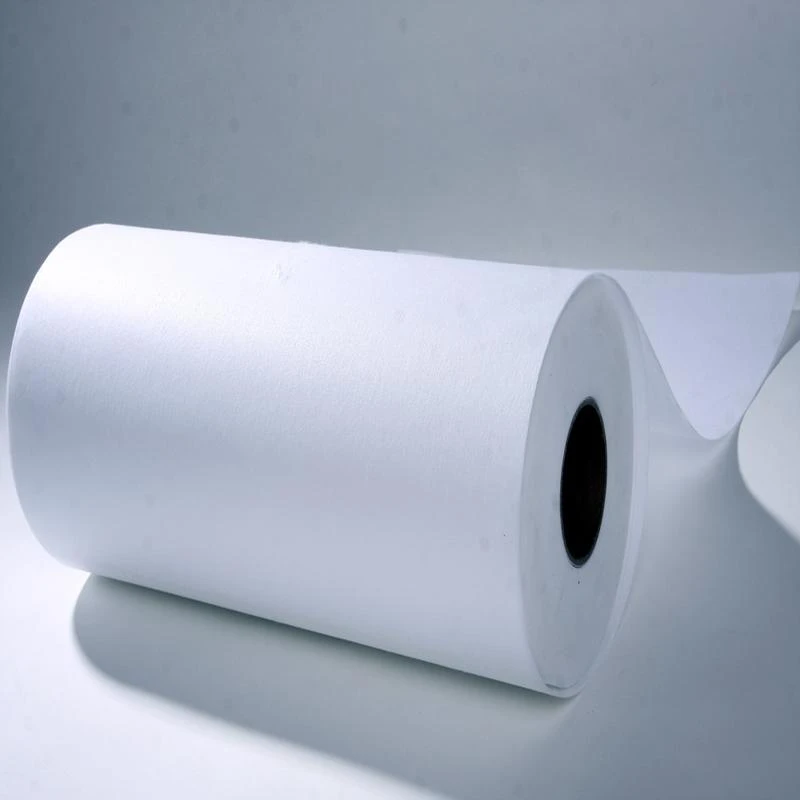
As machining, metalworking, and industrial fluid circulation systems continue to develop, effective filtration has become increasingly important for maintaining the condition of cutting fluids, coolants, and other process liquids. Filter paper rolls are commonly used as consumable filtration media in these systems. They remove solid contaminants through physical filtration, helping maintain cleaner process fluids and supporting continuous industrial operations.
One of the primary functions of a filter paper roll is solid particle removal. When contaminated process fluid passes through the filter media, the liquid flows through the paper's fibrous structure while metal chips, abrasive particles, and other suspended solids are retained. This filtration mechanism provides a practical way to separate unwanted particles from industrial fluids.
Filter paper rolls are particularly useful for continuous filtration applications. Instead of requiring frequent manual removal and cleaning of a fixed filter element, the roll can gradually advance as the filtration area becomes loaded with contaminants. Fresh filter media is then brought into the filtration zone, allowing the system to continue operating with less manual intervention. This makes roll filtration suitable for production environments where continuous fluid treatment is required.
In cutting fluid circulation systems, filter paper can help reduce the concentration of solid contaminants in the process liquid. Cleaner fluid can then return to the appropriate circulation or machining stage, reducing the potential impact of suspended particles on processing equipment, workpiece surfaces, and fluid handling components. The appropriate filtration grade is important when a specific level of fluid cleanliness is required.
Another important function is protecting downstream equipment. Metal particles and other contaminants can accumulate in pumps, valves, pipes, and other components, potentially increasing wear over time. By removing a portion of these solids before they reach downstream equipment, the filtration system can help provide a cleaner and more stable operating medium.
Filter paper rolls also offer flexibility in specification. Depending on the filtration machine, fluid characteristics, contaminant type, and required filtration performance, different paper materials, widths, lengths, and filtration grades can be selected. Matching the filter media to the equipment and application can help improve overall filtration efficiency and media utilization.
Overall, filter paper rolls perform several important functions, including solid-liquid separation, contaminant capture, continuous filtration, and support for process-fluid circulation. When integrated with industrial filtration machines and cutting-fluid filtration systems, they provide a practical consumable solution for fluid treatment in machining and other industrial applications.